Kitchen brands have spent a decade putting Wi-Fi into their products. Today you can buy a kettle with an app, a grinder with an app, or an espresso machine that sends a notification when your cup is ready. Each of these launches promises a closer relationship with the customer.
I spend my days helping companies build lasting relationships with customers. In that work, I have learned that community is one of the strongest forces for retention. People stay with products that connect them to other people.
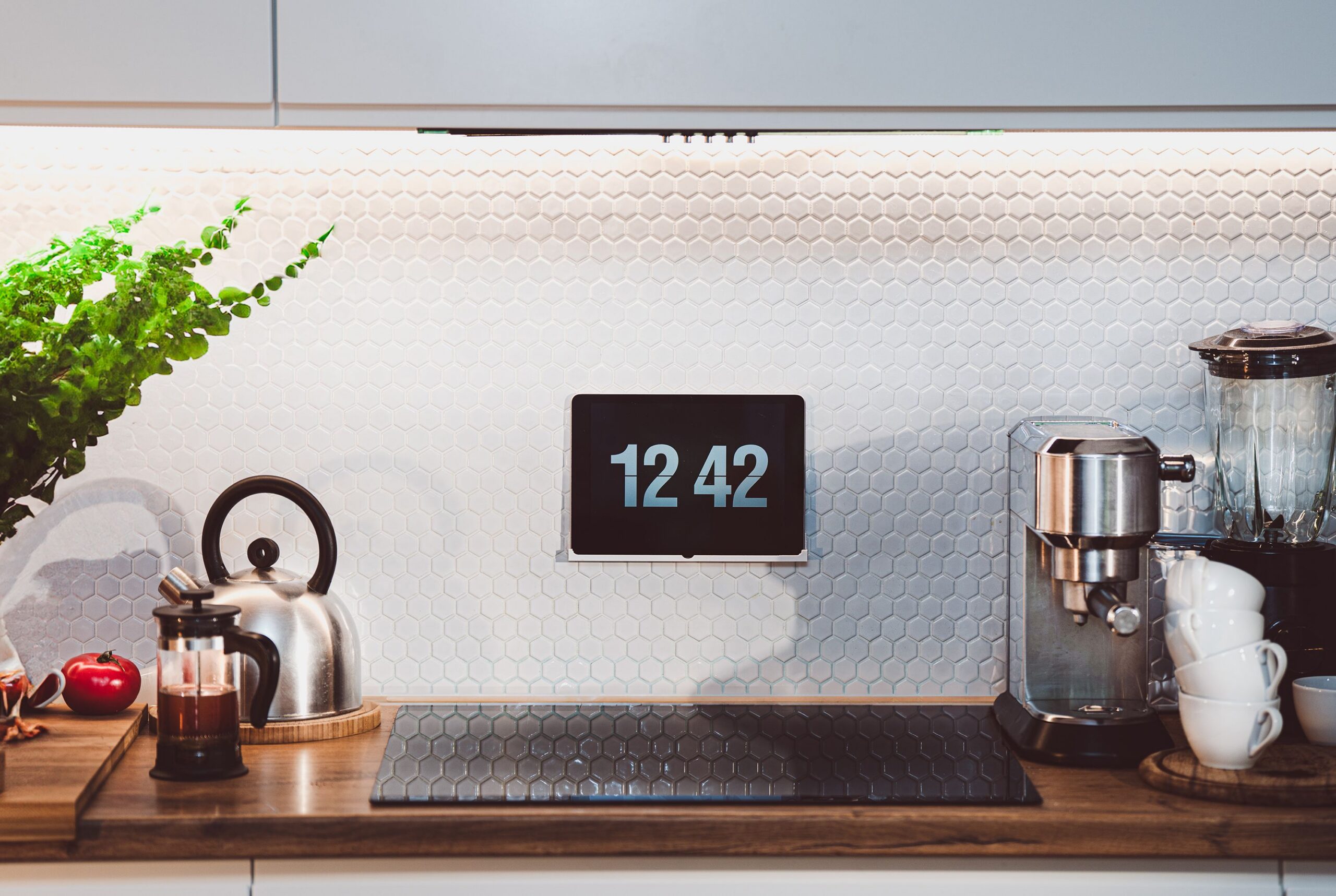
Photo by Jakub Zerdzicki
So when a team shows me a connected appliance, I ask one question: does this product bring people together, or does it stop at the router? The answer determines whether the app becomes a reason to stay or a reason to leave.
Connected products and social products
A connected product talks to its owner. It starts the brew from bed, tracks how many cups you made this week, and updates its own firmware. The value flows to one person, and the data flows to the company.
A social product goes further. It lets owners talk to each other, under the brand umbrella, and it produces something worth passing along. Its value grows with each new owner, because each owner adds to what the others can use.
Many connected appliances reach the first stage and then add a feed with likes and comments. A feed gives people a place to post. The reason to post has to come from the product itself.
The artifact test
The simplest test I know is the artifact test. Ask what an owner makes with the product that another owner would want.
In coffee, the answer is the recipe. A great cup comes from dose, grind, water temperature and, on an espresso machine, a curve of pressure and flow over about thirty seconds. Enthusiasts trade these recipes on forums and YouTube today. Most of them copy settings by hand from a screenshot.
Decent Espresso shows what happens when the product makes that trade effortless. Its machines record each shot as data. Owners upload shots to a site called Visualizer, compare them with shots from other owners, and download another owner’s profile to brew on their own machine. One owner’s discovery becomes every owner’s starting point.
Traeger, the pellet-grill maker, shows a second model. Its app offers more than 1,000 recipes from chefs, pitmasters and the company’s culinary team, and owners can send a recipe to a connected grill. The brand calls its owners the Traegerhood. In this model, sharing flows from a cast of experts to the owners. A broadcast model is easier to control and faster to launch. A peer network is slower to start and harder for a competitor to copy.
A launch team should decide which model it is building and design the artifact to fit. If there is no artifact worth sharing, people aren’t going to share it. So this is both a “marketing” issue and a “product feature” issue.
Build for the Super Users
Decent did not build Visualizer. According to the site’s own history, an owner created the first version within hours of unboxing a new machine in November 2020 and shared it with other owners. The platform later moved to a freemium subscription and now serves coffee enthusiasts beyond Decent.
I call these people Super Users. They are the small share of customers who tinker, teach and recruit. In my experience, they create most of the value that everyone else consumes. Coffee has a large population of them. It’s actually a good category for community.
A product earns Super Users by giving them room to work: open profiles, data they can export, and credit when others use what they made. A product loses them by locking its data inside an app they cannot extend.
Launch teams should also respect where coffee people gather today. They already meet on Reddit, YouTube, Discord and long-running enthusiast forums. A brand that builds a walled community inside its app asks people to leave those places. A brand that makes its artifacts easy to share in those places joins a conversation that is underway.
Keep the Forever Promise
A social product carries a risk that a toaster never does. When people build a habit and a set of shared recipes around a device, they expect the device and its app to keep working. I call this the Forever Promise: the commitment a company makes to deliver value for as long as the customer stays.
Anova, the sous vide brand, tested that promise in public. In August 2024, the company announced a fee of $2 a month or $10 a year for new users of an app it had offered free since 2014. It also said that its original Bluetooth and Wi-Fi cookers would lose app connectivity in September 2025. The backlash was loud, and the company later reversed course on the older devices. Some owners in its own community forum said the reversal came too late to restore their trust.
The lesson is about sequence. A company can charge for an app, and many should. The price has to arrive with new value, and it has to be part of the promise from the first day. A fee added after people have bought the hardware feels like a toll on something they already paid for. TBT the BMW heated seats debacle of 2022.
Four questions before launch
I ask every team building a connected product to answer four questions before it ships.
- What is the forever promise that justifies the app? What are customers trying to achieve, and how completely are you able to ensure success with the app?
- How important is the app—is it required, as with Peloton, or a nice-to-have, like many printers?
- Is this app relationship between the consumer and the brand, or does it include connection across consumers in a community? What is most important?
- What will you promise owners about price and support for the life of the device? Write it down and publish it before the first unit ships.
Community can be an excellent sticky retention and expansion tool, but for community to gather around a product, that product has to be really important, and sharing of content needs to provide measurable value that members care about.